

Wednesday April 29th 2026
On Monday March 30th, I invited two members from my club team to do an introductory wrestling class for the Grade 7s and 8s at my high school. Both athletes had many results at the National and International level so the classes that got to participate in the clinics were in good hands. The goal was to raise awareness about the sport of wrestling and its presence in the school, as well as hopefully adding some potential recruitment for the upcoming year. At my previous school, wrestling clinics in the Phys-Ed classes was almost an annual tradition. Having the support of the Physical Education staff as well as the administration was integral to this. In my new school, building these connections take time and establishing new traditions can be difficult. This has made implementing the concept of wrestling clinics in classes that much harder. After all, without support, there’s only so far you can go.


The kids had a blast at the clinics
In my last blog, I mentioned the concept of how the importance of Youth Development needs to be addressed. While some would argue that in our country, this should be a provincial matter, I think that the need extends far beyond that and should be considered a national priority. After all, the scope of what needs to be done would require massive resources that only the federal government could muster. While this is all fine and good, the bottom line is how are we going to pay for it? And even if funds are found and allocated for the purpose of youth development, how do we determine who gets it? It comes down to a fundamental reasoning of do we reward excellence, or do we reward participation? If we award funding based on excellence at the youth level, then this may pressure clubs to get athletes competing and participating at a younger age, which may cause problems in the future. After all, recent studies have shown that specialization in sports when the athlete is too young may have a detrimental effect on the LTAD (Long Term Athlete Development). So do we sacrifice the present for the future if we need immediate results? I don’t think so.
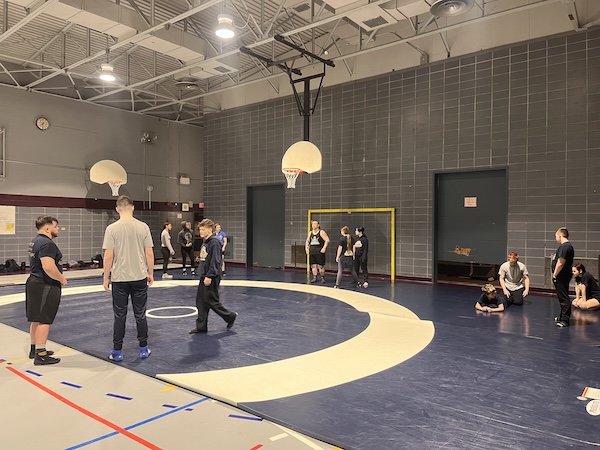
High school starts athletes at “just the right age”
In keeping with the theme of investing into Youth Development, the U19-U17-U15 Canadian National Championships were held last weekend in Grande Prairie, Alberta. This tournament represents the pinnacle of youth level competition as some of the best young athletes in the country compete at this tournament. Amongst the participants from Quebec, many of them got their start at the high school level. At the competition, we had athletes from Beurling Academy, École Secondaire PGO, Heritage Regional High School, Howard S. Billings, Lower Canada College, Loyola High School, PCHS, St-Thomas, and of course my own school that I coach, Royal West Academy. Some of these athletes were currently at these high schools, while some were graduates. It’s in this instance, that we see some of the purest form of investment into Youth Development and the importance of the high school system.
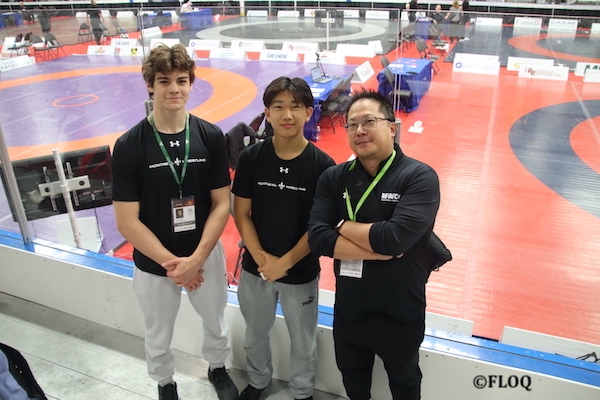

Members of my current High School program at the 2026 National Championships
Wrestling, due to its niche status has a fundamental advantage over other high school sports in Montreal, in that many of our top coaches in the province are also high school teachers. Potential prospects get an introduction to the sport from highly qualified people, free of charge. For some kids who may not have the funds to access sports at clubs or gyms, this is a godsend that may pay dividends in the future. Some people have argued that due to the lack of facilities at some schools, and the fact that it’s given for free, the quality is much lower. However, the same can be said for overpaying for something that isn’t worth it either.
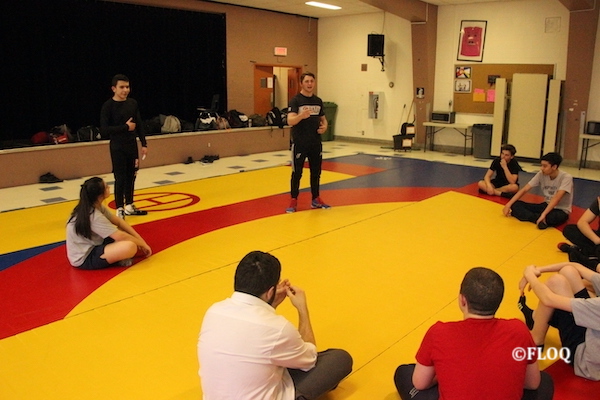
My old high school produced many athletes throughout the years
Getting kids involved at the high school level isn’t just the only benefit from investing in youth. If you can create a love for the sport, you may see some unexpected surprises in the future. Case in point, some of my former athletes from my previous high school program are now coaches. While one coaches fighters at an MMA gym, the other is a certified NCCP Level 3 coach and runs her own high school program. This also perpetuates the investment in youth from high schools and will hopefully help the sport to grow in the future.
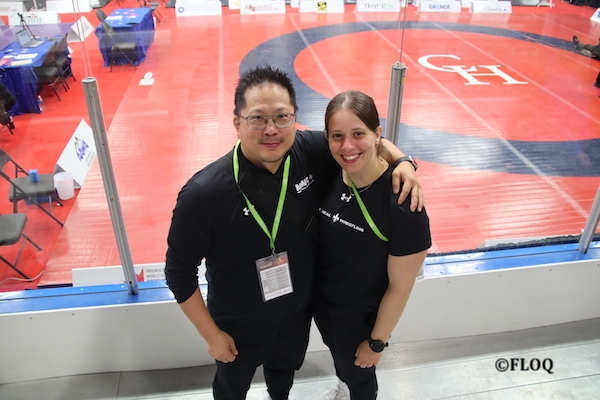
Instilling the love of the sport can direct others to also become coaches
Finally, it should be mentioned that while some gyms may be reticent to offer wrestling, high schools are always looking to offer sports when possible, provided that there’s a person on the inside who can initiate that. In the high school league this year, we had a new school join that fit this mould, They had constructed a wrestling room as way of offering another sport to students who may have been at risk, or would never have the opportunity. As an inner-city school, many of the students wouldn’t be able to afford the fees of a private gym or club, and therefore this option was essentially blocked for them. Investment from the school offered that possibility. Now, they were on the lookout for a coach, which was filled later on that year.
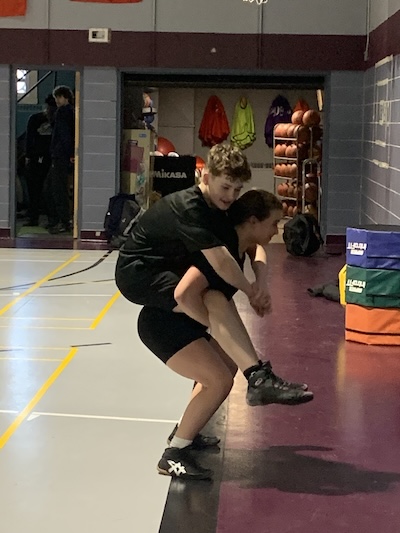

High schools offer a fun and pressure free place to start wrestling
Finally, the high schools as a function of youth investment, act as feeder systems to clubs. Many of the top athletes from high school, may end up going to one of the club teams at one point or another. Some of these athletes may then go on to compete at varsity, and even the international level. This represents just another advantage high schools have in terms of youth investment and development.

World Bronze Medalist, Laurence Beauregard got her start at wrestling at Beurling Academy
In the end, we need to invest and promote high school sports as they represent one of the best options when we talk about youth development and investment. Now, we need to make it grow and that should be our goals for the future.